
- Nearly 9,800 people slept rough over July 2026, the highest number ever recorded
- Long-term rough sleepers behind surge, with over one in three seen on the streets for multiple months a year
- Rough sleeping fuelled by record immigration in 2020s as over one in six are non-British, rising to almost two in five in London
- Ministers urged to adopt successful Housing First model and scale up Dutch-style returns for migrants sleeping rough
Rough sleeping has reached a record high, official data reveals.
9,798 people were seen sleeping rough in England over the month of July 2026 in figures released today by the Ministry of Housing, Communities and Local Government.
This exceeded the last highest month on record, July 2025, by 221.
Autumn totals also were at a record high for the time of year, with 9,369 seen rough sleeping over the course of September, an increase of 77 from the previous year.
In a new report published today analysing the figures, the Centre for Social Justice (CSJ) warns that the Prime Minister’s pledge to “end rough sleeping at the earliest opportunity” is in peril.
The Rough Sleeping Tracker report finds that street homelessness has become entrenched, with long-term rough sleepers the single largest group on the streets.
While the number of people new to sleeping rough fell by two per cent between September 2025 and 2026, the number of long-term rough sleepers increased by six per cent.
Evidence gathered from frontline charities for the report found that widespread drug use is stopping many from moving into safe accommodation. One said that ketamine use is “growing massively”, with the levels of incontinence among users “shocking”.
The CSJ also found that the government’s new early release arrangements mean many prisoners are leaving prison and going straight onto the streets. As one charity in Liverpool told researchers: “We’ve just had a second rollout of releases. In the last week we’ve had 13 people released with no fixed abode who are now sleeping rough.”
These pressures have been compounded by record levels of migration this decade, which the CSJ warns have overwhelmed homelessness systems across the country.
Analysis of the figures finds that over one in six (17 per cent) people sleeping rough were non-British in September 2026, rising to nearly two in five (37 per cent) in London.
Yearly figures show a 396 per cent increase in non-EU nationals sleeping rough since 2021, while the growth in non-EU and unknown nationals accounts for the entire increase in rough sleeping between the 2017 peak and 2025.
The report argues that ministers must redouble efforts to give everyone sleeping rough a route off the streets by Christmas and tackle the root causes of rough sleeping.
In September, the government published a multi-million pound Rough Sleeping Programme, but the CSJ warns that without clearer direction from ministers, the new funding risks paying for failure by funding less effective interventions such as short-term hostel beds.
Low take-up of available short-term accommodation suggests the current approach may not be working to reverse entrenched rough sleeping.
New official data found just one in four of the 1,966 bedspaces funded by the government’s flagship Rough Sleeping Programme were recorded as occupied at the end of October.
Instead, the CSJ urges ministers to roll out Dutch-style returns agreements for non-UK nationals on the streets, as well as to scale up the successful Housing First model across England. Unlike conventional services, Housing First has been shown to break the cycle of long-term rough sleeping.
Paula Barker, Labour MP and Co-Chair of the APPG for Ending Homelessness, said:
“The Prime Minister knows better than anyone what Housing First can achieve, and the new Rough Sleeping Programme is an ambitious first step. But like governments before, the new funding sets no explicit requirement for local areas to scale up Housing First.
“I welcome this report by the CSJ, which shows how the government can deliver up to 3,000 new Housing First places within the Rough Sleeping Programme. Only by investing in the interventions that work can we end rough sleeping for good.”

Andy Preston, former Mayor of Middlesbrough and Chair of CEO Sleepout, said:
“Nearly 10,000 people sleeping rough in a single month is a national disgrace, and the record figures only confirm what you can see walking through any of our towns and cities.
“We are failing people and we are failing places, and in too many cases that failure is costing lives. We know schemes like Housing First can work, whilst modular housing units can be built quickly and cheaply to give people a proper front door. Ministers need to back both properly and get people off the streets for good.”
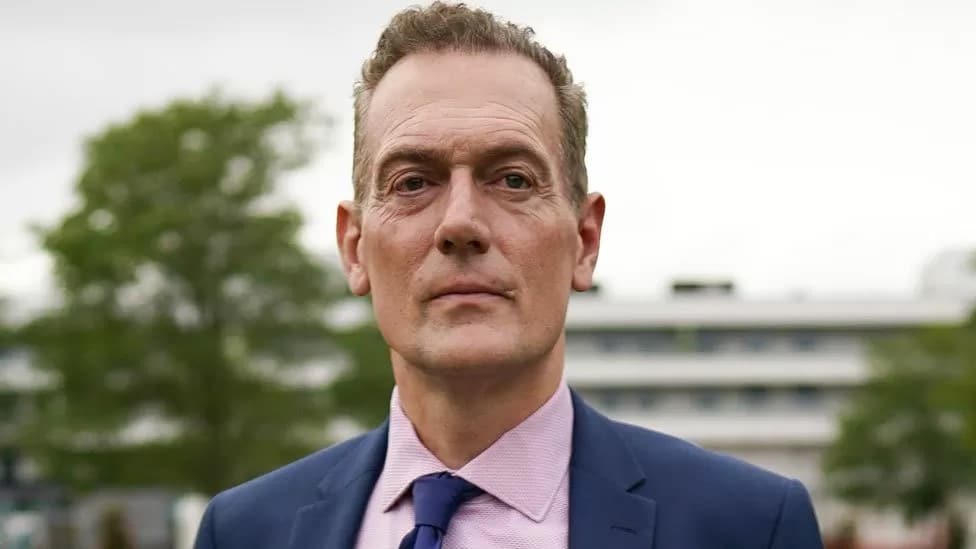
Josh Nicholson, Head of Housing and Communities at the Centre for Social Justice, said:
“These figures should set alarm bells ringing in Number 10. The Prime Minister deserves credit for raising the ambition on rough sleeping, but he must go further and faster to overhaul a Whitehall machine too comfortable with the status quo.
“By prioritising proven interventions like Housing First and tackling the root causes of rough sleeping, such as uncontrolled immigration and illegal drug use, the PM would set his government on course to end the rough sleeping crisis.”

The Rough Sleeping Tracker recommends that the government:
- Double Housing First capacity by setting an expectation that all accommodation and support for long-term rough sleepers in the Rough Sleeping Programme be Housing First or Housing First-informed. This would unlock up to 3,000 additional Housing First placements in England.
- Launch Dutch-style reconnection services operated by frontline charities to deliver on a new target for the voluntary return of non-UK nationals sleeping rough, while making sure those here illegally are removed.
- Prevent long-term rough sleeping by better addressing its root causes, including by tackling Britain’s hidden addiction crisis and broken criminal justice system.
Notes to editors
The full Rough Sleeping Tracker will be published shortly here. A spokesperson is available for interview.
The CSJ’s analysis of new rough sleeping data is based on the Rough Sleeping Data Framework, published on 27 November 2026. The Rough Sleeping Data Framework provides updates on quarterly rough sleeping trends.
Analysis of annual figures is derived from the Rough Sleeping Snapshot in England, published in February 2026. This is the annual, and most accurate, data release on rough sleeping in England.
The number of people sleeping rough in England over the course of the month

Source: MHCLG, Rough Sleeping Data Framework, November 2026.
In September 2026, the government published a new Rough Sleeping Programme, which built on the Prime Minister’s first announcement in office to end rough sleeping across the UK at the earliest opportunity. The Programme funds Mayoral Strategic Authorities and local authorities to provide an immediate route off the streets for all people experiencing rough sleeping before Christmas 2026. It is then designed to continue this support beyond Christmas, with long-term settled accommodation and intensive support.
Housing First is a homelessness service which provides ordinary settled housing alongside intensive, person-centred support for people whose homelessness is compounded by multiple and complex support needs. Housing First is different from conventional interventions as it offers permanent housing immediately, dependent on an individual’s willingness to maintain a tenancy. Intensive support is provided to help the individual overcome complex problems in their life. In the national pilots, 84 per cent of service users sustained permanent housing after three years.
The Dutch government has funded a dedicated programme of short-term accommodation and support for homeless EU citizens who are ineligible for regular social services and support. Funding was provided to six municipalities – Amsterdam, Rotterdam, The Hague, Utrecht, Eindhoven and Venlo – which were given freedom to design services specifically for this target group, working in partnership with specialist charities such as Barka to help people either move back into work and housing in the Netherlands, or return to their home country.