
- Seb Coe, Kelly Holmes and Harry Redknapp join calls for universal entitlement to extracurricular sport in schools
- More than a quarter of a million 15-year-olds hardly ever leave their bedrooms except for school
- Nearly 100,000 more completely inactive 11 to 16-year-olds than in 2018
- Prime Minister urged to act after declaring himself “massive on school sport”
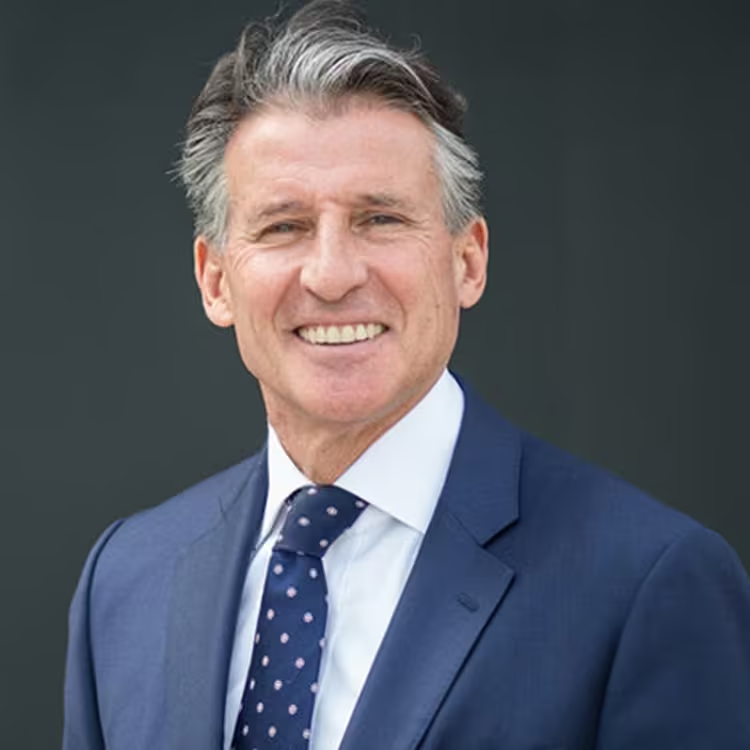
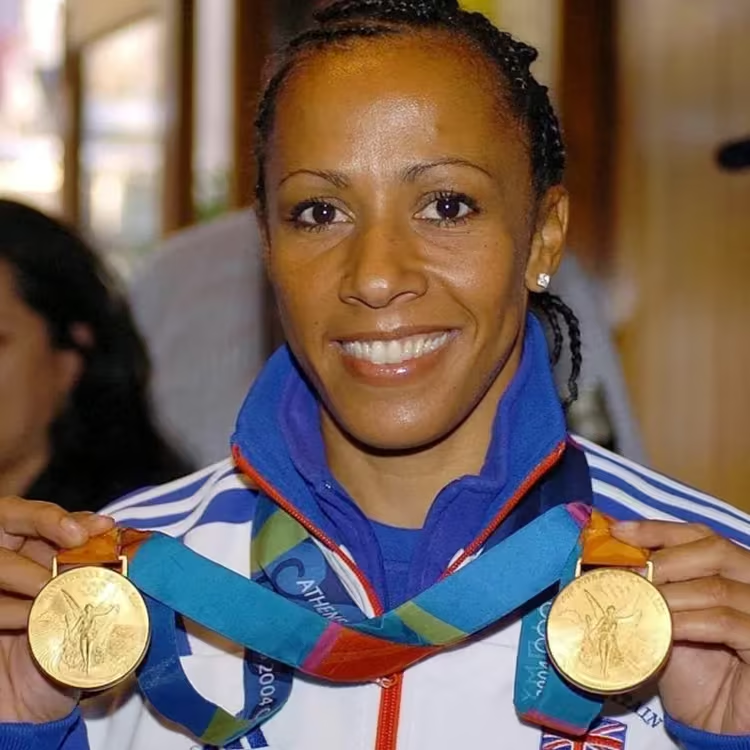
Olympic gold medalists Lord Seb Coe and Dame Kelly Holmes are among leading sports figures backing a new campaign to help young people spend less time on screens through a new “Right to Sport”.
The campaign, led by the Centre for Social Justice (CSJ), is urging the Prime Minister to guarantee every pupil at least five hours of extracurricular activities each week, of which at least two hours are sport or physical activity.
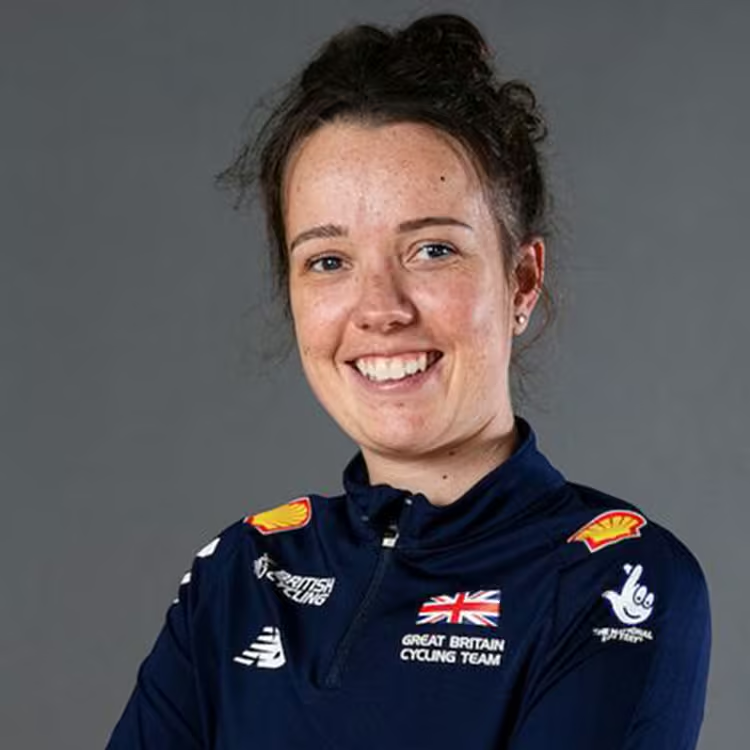
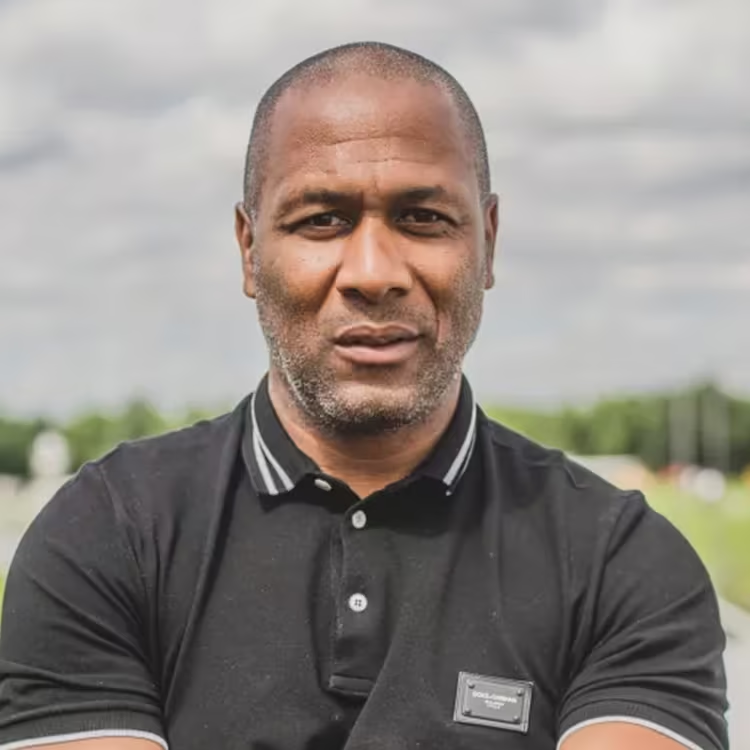
The “fewer screens more sport” initiative is also backed by former football manager Harry Redknapp, GB Hockey player Tess Howard, British tennis champion Tim Henman, former footballer and pundit Jamie Redknapp, actress, charity patron and campaigner Lady Sophie Windsor, Rugby World Cup winner Lawrence Dallaglio, Paralympic cycling champion Lizzi Jordan, and former footballer Les Ferdinand.
The intervention comes after Prime Minister Andy Burnham declared himself “massive on school sport”, criticised its “dismantling” by previous governments and said expanding sport and the arts in schools would be “a feature of my time” in office.
The supporters are backing Inactive Nation: Getting England’s teenagers moving, a new report which warns that declining access to sport and the rise of screen time has contributed to a “bedroom generation” of increasingly isolated, inactive and unhappy teenagers.
New polling for the report found that almost two in five 15-year-olds – 37 per cent, equivalent to more than a quarter of a million teenagers in England – hardly ever leave their bedroom except to attend school.
Nearly one in four spends at least six waking hours in their bedroom on a normal weekend day, while nearly one in five spends no evenings out with friends during a typical week – a rise of almost 50 per cent since 2002.
The decline in teenagers’ social lives has coincided with a collapse in physical activity. There are now nearly 100,000 more completely inactive 11 to 16-year-olds than in 2018–19, while a survey in 2025 found that one in ten secondary-school girls does no physical activity whatsoever.
Yet the new polling found considerable appetite for more opportunities to get active. Two thirds of 15-year-olds said they would take part in more sport or physical activity if their school offered a wider choice.
Curriculum time devoted to PE has declined, particularly for older pupils and the Youth Sport Trust found that it is the most frequently cancelled lesson in the school day. Survey data from the Department for Education revealed that just 42 per cent of secondary school girls participate in extra-curricular sport, compared with 56 per cent of boys, while children eligible for Free School Meals are 10 percentage points less likely to take part than their peers (42 per cent compared with 52 per cent).
The CSJ’s “Right to Sport” would seek to close the gulf between children attending schools with extensive extracurricular programmes and those offered little beyond declining curriculum PE.
“I experienced the transformative power of sport as a teenager and it changed my life. Today’s young people need it more than ever. We must be bold enough to rebuild those opportunities. The report sets out a package of reforms to help young people move ‘from alone to active’, rebuilding the pathways into community activities and real-life social interactions that too many teenagers currently lack.
Lord Seb Coe CH KBE, Olympic gold medalist and President of World Athletics
My PE teacher was the first person who showed me I could be really good at something, and that changed everything for me. Every child needs a hero who sees what they’re capable of. Sport can give teenagers so much, whether that’s confidence, teamwork or resilience. I want every child to have the chance I had, which is why ‘Fewer Screens, More Sport’ matters.
Dame Kelly Holmes MBE (mil) OLY, Double Olympic gold medalist
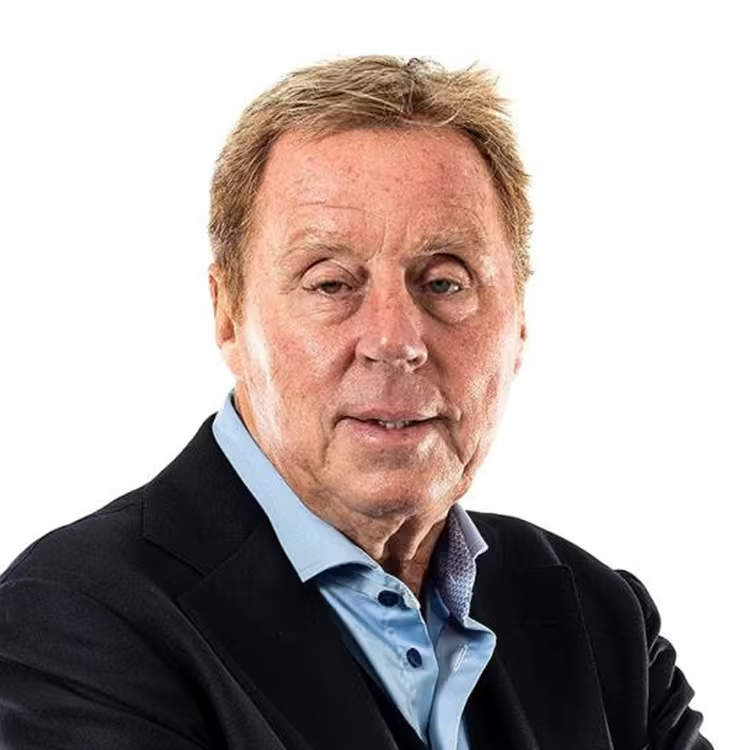
Back in my day, kids were playing football out on the streets every evening and weekend. But you don’t see that now.
I’ve worked with hundreds of teenagers whose lives have been changed by the discipline and focus that football can bring. But you don’t have to end up pulling on an England shirt – getting back to a place where just kicking a ball around with others would make a huge difference to young lives.
The young generation is spending too much time on screens and on their own. We have to give young people more chances to get out and find something they enjoy.
Sport is a miracle cure. That’s why I’m backing the Centre for Social Justice’s Fewer Screens, More Sport campaign.
Harry Redknapp OBE, former Premier League football manager and player
I grew up finding my confidence playing hockey, and I know how much of that is disappearing for girls today – not because they don’t want to play, but because the opportunities aren’t always there, and screens are filling the gap. ‘Fewer screens and more sport’ is important for girls’ health, confidence, and future.
Tess Howard MBE OLY, GB hockey player and founder of Inclusive Sportswear

This timely Centre for Social Justice report is a reminder that access to sport and physical activity for young people cannot be taken for granted.
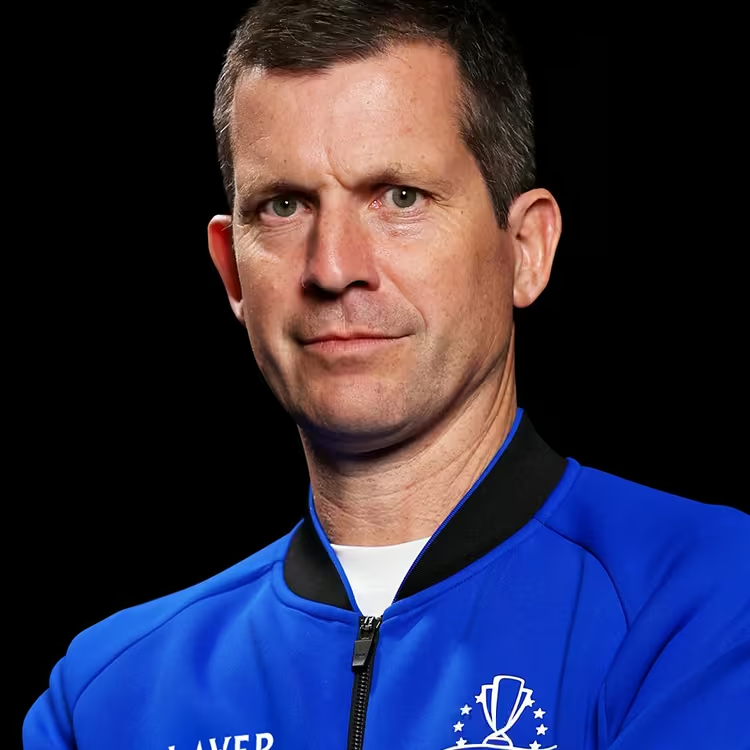
I have been fortunate to experience the transformative power of tennis first hand, but I believe all young people should experience the benefits of being active.
Tim Henman OBE, British tennis champion
Sport made me who I am today. It gave me a career, but it also shaped who I was when I was growing up. The confidence I gained and people skills I developed have helped me to this day.
The Centre for Social Justice’s report shows that young people are missing out on learning these soft skills.
I’m backing their Fewer Screens, More Sport campaign.
Jamie Redknapp, former footballer and pundit
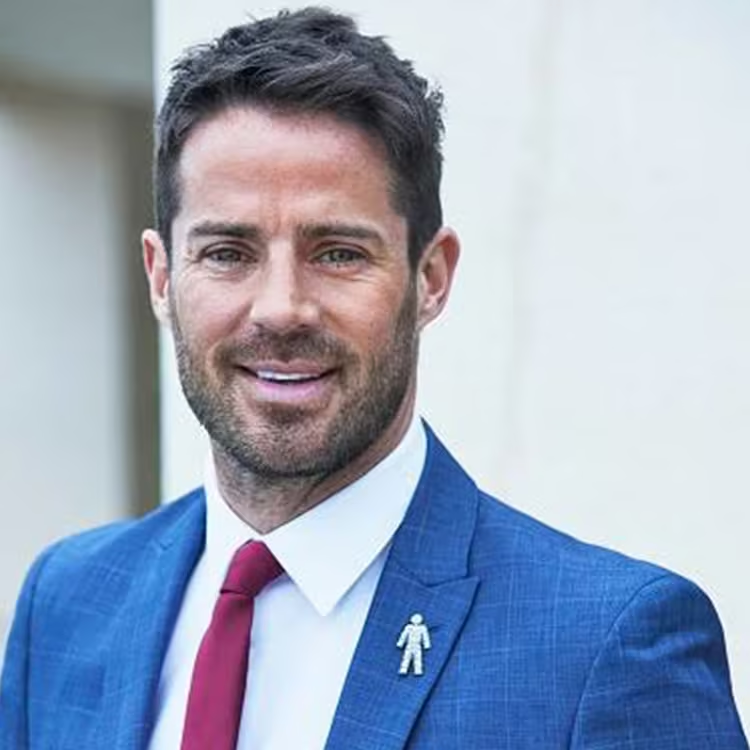
We are raising a bedroom generation, with all their free time taken up by screens.
Playing sport provides the very opposite experience to a screen-based childhood. Children are outdoors in fresh air, interacting healthily, sharing a common goal, working as a team, getting fitter and happier.
That’s why I’m backing the CSJ’s Fewer Screens, More Sport campaign, and a Right to Sport for every secondary school pupil.
We have to turn the tide now. Give children back a proper childhood today, and spare them decades of consequences tomorrow.
Lady Sophie Windsor, Actress, Charity Patron and Campaigner

Rugby was a massive part of my childhood and I don’t know where I would be without it. It worries me that so many teenagers today are spending hour after hour alone on screens, instead of getting outside, building friendships, and finding something that could stay with them for life. We can’t be passive about that. That’s why I’m backing the CSJ’s Fewer Screens, More Sport campaign.
Lawrence Dallaglio OBE, Rugby World Cup winner
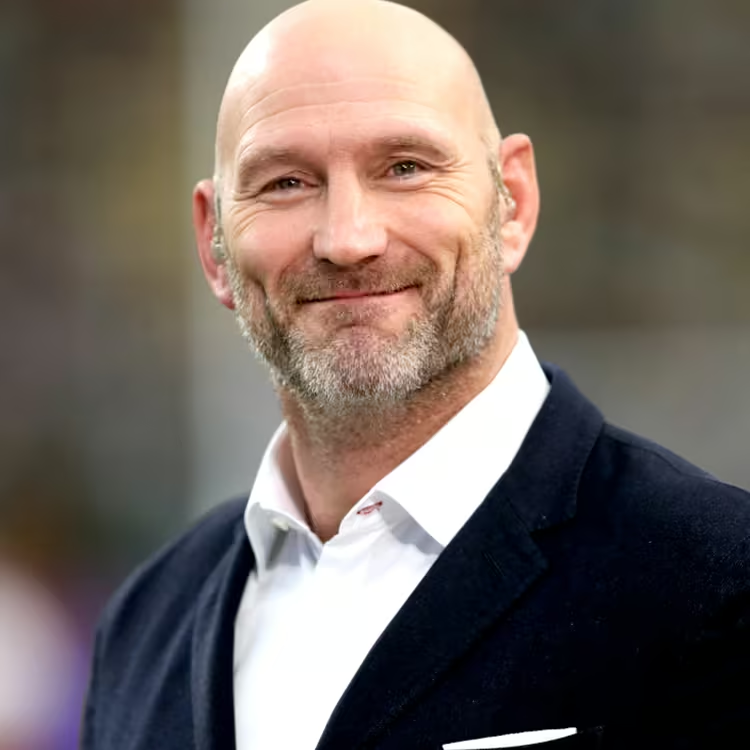
Physical activity has changed my life in ways that I could never have imagined.
Now I want others to experience the freedom, confidence and joy that being active can bring.
Put down the screen, get moving and discover what your body can achieve.
Lizzi Jordan MBE, Paralympic cycling champion
Growing up in West London, football was just part of life. It’s where I met my mates, learned to play and became part of the community.
So to hear CSJ polling that more than a third of 15-year-olds today say they hardly ever leave their bedroom except to go to school is really worrying. The problems our country face would be better solved with children who are more active and confident.
I’m supporting the Centre for Social Justice’s Fewer Screens, More Sport campaign. We need to give every young person the chance to get active and be part of something.
Les Ferdinand MBE, former footballer
As a headteacher in Merseyside, I saw first-hand the difference sport could make to pupils on the margins. Children who would be withdrawn in the classroom came alive when they got outside and had something to work towards with others. The Centre for Social Justice’s new report shows that too many teenagers are now inactive and spending far too much of their free time shut away in their bedrooms. We have to give them an alternative. That means more extra-curricular sport, and opening up our schools outside school hours so that children who might otherwise have nowhere to go have somewhere safe, active and social to be. I’m backing the CSJ’s Fewer Screens, More Sports campaign.
Lord Storey CBE, Deputy Leader of the Liberal Democrats in the Lords
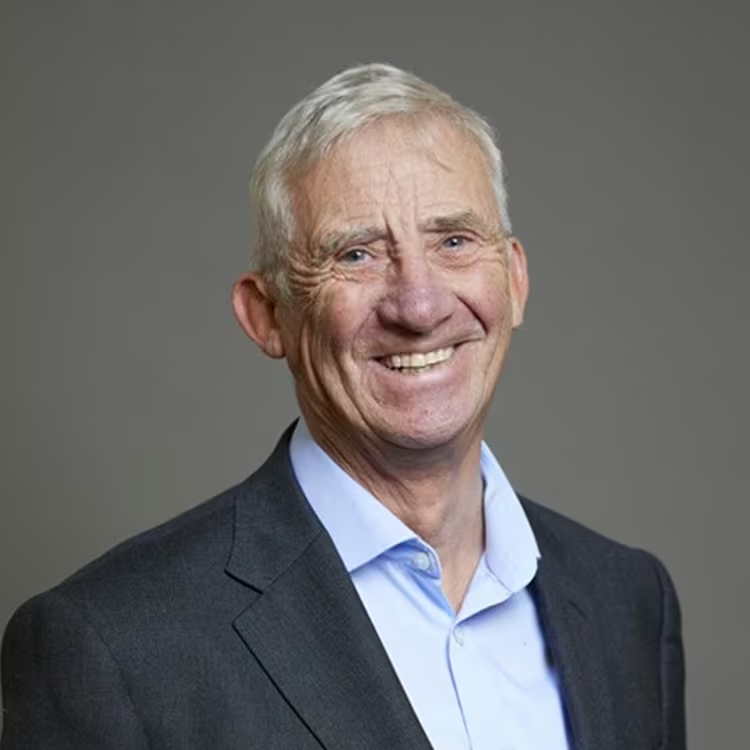
I very much support this campaign to ensure far more young people can access sport.
The evidence about the benefits of sport are compelling whether that is in terms of improving the health of the nation or building resilience in our young people.
It is time to get off phones and into sporting opportunities.
Liz Smith, former international cricketer
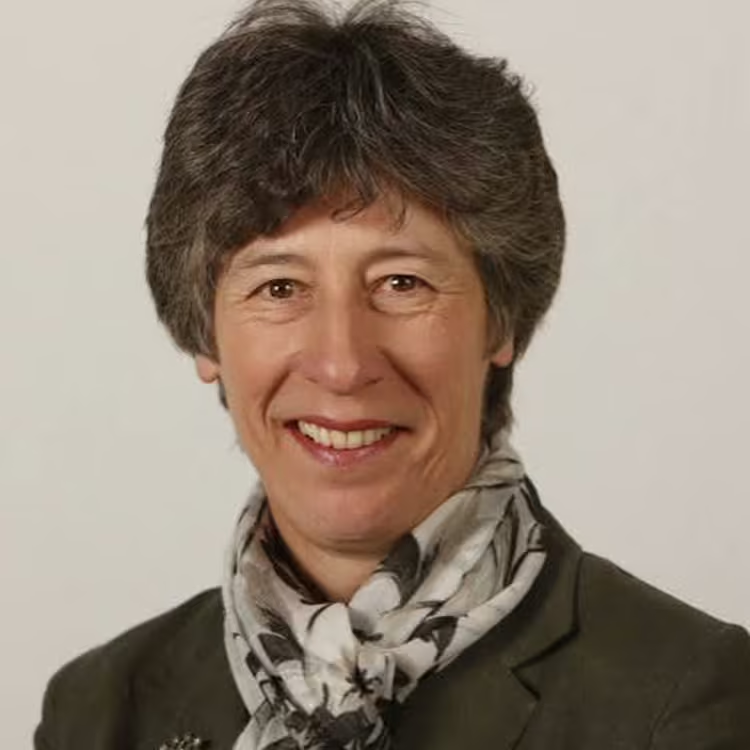
We’ve built a system that pours money into treating ill health rather than preventing it, which is unsustainable.
Every pound spent keeping teenagers active is a worthwhile investment.
Fewer screens, more sport’ is what will build a healthier next generation.
Brian Whittle OLY

Notes to editors
The report comes as Prime Minister Andy Burnham said in a Jimmy’s Jobs of the Future podcast, uploaded on 30 July 2026: “The creative subjects, sport, brings employability skills, you know the things that you learn by doing those things are huge. Creativity in young people and enabling them to feel confidence and the confidence that comes from excelling in sport and the arts is massive and expect that to be a feature of my time. I’m massive on school sport, they’ll have to stop me from making it compulsory in this building.”
Podcast interview available to watch here.
A CSJ spokesperson is available for interview.
Read the full report here.