The Special Relationship isn’t the only romance on the rocks
By Sophie Ladd, Head of Partnerships
We share far more in common with our American cousins than either side may wish to admit.
Amid the turbulence in the Middle East, it is the comparatively quieter domestic issues that reveal uncomfortable transatlantic parallels.
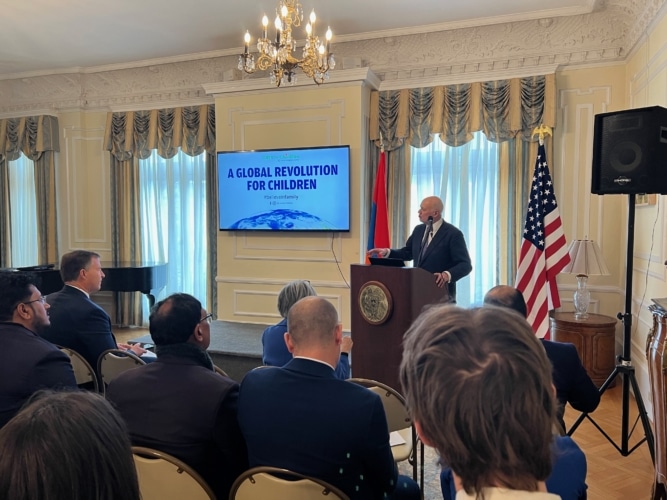
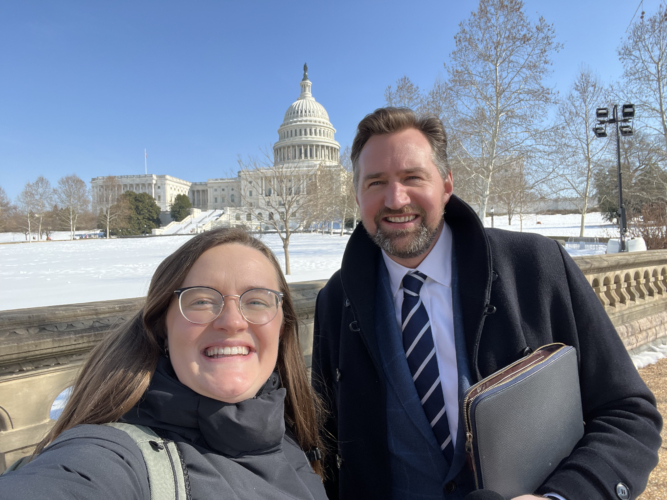
The CSJ recently travelled to Washington D.C. to discuss remarkably similar challenges around marriage and family stability. But my main takeaway from this trip was something striking and unexpected: genuine sadness among American policymakers about Britain’s perceived decline.
I met with nearly thirty US thinktanks in my week across the Pond. Many organisations expressed concern about economic stagnation and social decline. While there remains genuine respect for the UK among the anglophiles we met, conversations often concluded with the sentiment of ‘it’s such a shame.’
I’m naturally inclined to push back when people abroad talk Britain down, yet this time, I couldn’t help but feel disheartened at the grains of truth in their criticism. Several argued that recent political responses in Britain have become too fragmented to address the structural challenges spanning education, employment, and, crucially, family formation. This had led to a growing perception within parts of the US policy community that only a radical, reforming political force can turn the tide of decline for the UK.
And yet, across dozens of meetings, it became clear we share far more in common with our American cousins than either side may wish to admit. When it comes to the underlying social issues of family formation and marriage, our core challenges are in many ways the same.
Concern is growing on both sides of the Atlantic as marriage rates continue to fall. In the UK, marriage rates are at their lowest since records began in the 1850s; in the US they have declined by 60 per cent since the 1970s. These trends are closely associated with wider economic insecurity, weaker community ties, and a lack of stable employment. CSJ research shows that children experience significantly better outcomes when their parents are together and that lone parent households are more than ten times as likely to be long-term workless as couple parent households. It’s these shared realities that underpin growing transatlantic concern.
The CSJ has led the way to keep the door open for more honest conversations about marriage decline and family instability in the UK. Our recent reports, ‘I Do?’ and ‘Baby Bust,’ revealed an ageing and increasingly uncoupled population and sparked wider debate. Yet despite the demographic and social consequences, British politicians still run for the hills at the mention of family stability or fertility rates.
If our trip to the States taught us anything, it’s not that Britain is uniquely failing, but that others can already see where prolonged reluctance to engage seriously with marriage and family life can lead. Family stability matters. The question now is whether we are willing to act with the seriousness and ambition the moment demands.