
- New data shows over half seen sleeping rough in London in 2025/26 were non-UK nationals
- The number of people seen sleeping rough with unknown nationalities up 127 per cent since 2021/22
- Long term rough sleeping becoming entrenched as one in four (25 per cent) rough sleepers seen across a minimum of two years
- New plan to tackle “migrant homelessness crisis” with Dutch-style return arrangements

Over half (51 per cent) of people seen sleeping rough in London in 2025/26 with confirmed nationalities were non-British, a new analysis by a leading think tank has revealed.
Analysing official figures released today by the Greater London Authority (GLA), the Centre for Social Justice (CSJ) found that 5,667 non-UK nationals slept rough in London in 2025/26, compared to 5,475 UK nationals.
Although the proportion of confirmed non-UK nationals seen sleeping rough has fallen from 53 per cent in 2024/25, the number of people seen sleeping rough with unknown nationalities has continued to rise, increasing by eight per cent since 2024/25, and by 127 per cent since 2021/22.
Once people of unknown nationality are counted, the share of rough sleepers confirmed as British drops to just two in five (42 per cent).
At the same time, the number of Brits seen sleeping rough has slightly increased from 2024/25, with an additional 13 British rough sleepers seen this year – building on a longer-term increase of 1,521 – or 38 per cent – since 2021/22.
In its latest Rough Sleeping Tracker report [to be published later today], the CSJ will warn that falling numbers of European nationals sleeping rough since Brexit mask the underlying failure to tackle rough sleeping in London.
Total rough sleeping remains stubbornly high, falling by just two per cent on last year’s record high, while the growing number of rough sleepers of unknown nationality signals a deepening crisis of migrant homelessness.

The think tank argues that uncontrolled immigration and a cross-government failure to tackle the asylum crisis have overwhelmed the capital’s homelessness services.
In 2025/26, over 1,000 new rough sleepers last settled base was in asylum accommodation, a 10 per cent increase from the year before. According to the GLA, an estimated 946 rough sleepers were undocumented and in the UK illegally.
As the homelessness system has struggled to cope, long-term rough sleeping has become entrenched. One in four (25 per cent) of London’s rough sleepers have been spotted on the streets for at least two years in a row, compared to just one in five (20 per cent) two years ago, the CSJ found. Just 16 per cent of rough sleepers were able to move into long-term housing last year.
In December, the government published its homelessness strategy, A National Plan to End Homelessness, which sets a new target to halve long-term rough sleeping. In the capital, Mayor of London, Sir Sadiq Khan, has promised to end rough sleeping by 2030.
The CSJ argue that both pledges are impossible to meet without tackling the migrant rough sleeping crisis.
The think tank’s report urges ministers and the mayor to work together to roll out stronger return policies for non-UK nationals, mirroring a successful pilot for voluntary returns in the Netherlands.
The CSJ also urges ministers to scale-up the successful Housing First model across England, which is proven to break the cycle of long-term rough sleeping and is supported by former Mayor of Greater Manchester, Andy Burnham MP.
Speaking in Manchester yesterday, Andy Burnham pledged to “adopt a national Housing First philosophy” to tackle the homelessness crisis. The CSJ noted that Mr Burnham has previously welcomed calls for a national rollout of Housing First, saying that Housing First is: “a long-term, ambitious, and transformational policy that works to end homelessness for the vast majority of people supported by it.”
The CSJ’s Rough Sleeping Tracker report, to be published alongside today’s numbers, urges the government to:
- Deliver on a new target for the return of non-UK national rough sleepers, extending access to voluntary returns to all migrant rough sleepers, while making sure those here illegally are removed.
- Launch ‘Dutch style’ reconnection services operates by frontline charities to help non-UK nationals sleeping rough to reconnect with family and support services in their home countries.
- Roll-out the successful Housing First programme for eligible British rough sleepers, which would take 5,600 of the most vulnerable off the streets by the end of the Parliament. The CSJ propose funding this by abolishing expensive relocation expenses for civil servants and scaling back the programme that moves them to the regions.
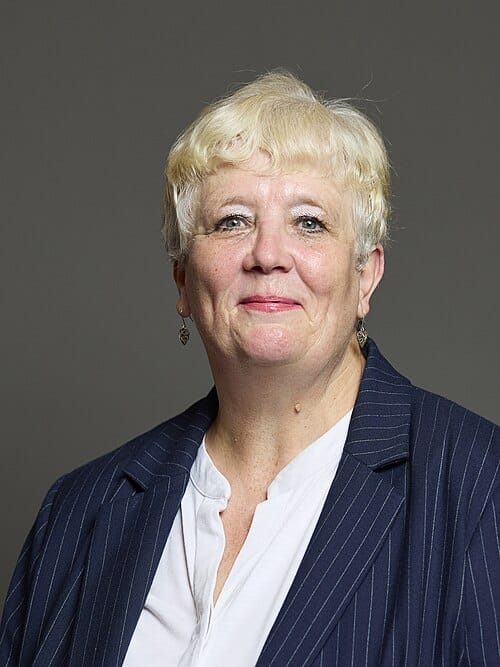
Margaret Mullane, Labour MP for Dagenham and Rainham, said:
Not a day passes without rough sleepers outside our stations and on our high streets. It is one of the starkest signs of a system that is not working.
‘Labour mayors in Greater Manchester and Liverpool City Region show what can be achieved by rolling out Housing First. Andy Burnham and Steve Rotheram have taken hundreds of people off the streets for good and have led a progressive transformation of their regional homelessness systems.
Josh Nicholson, Head of Housing and Communities at the Centre for Social Justice, said:
The next Prime Minister will inherit a homelessness system on the brink. Falling numbers of European nationals sleeping rough since Brexit has masked an underlying failure to tackle rough sleeping in London.
‘Whoever walks into Number 10 should take this opportunity to reset the dial on rough sleeping and deliver a visible and meaningful change by the end of the Parliament.
‘Tackling the scourge of homelessness is central to fixing broken Britain”.

Notes to editors
The CSJ will release its regular Rough Sleeping Tracker, providing a comprehensive analysis of today’s homelessness figure. It will be available here: https://www.centreforsocialjustice.org.uk/library/rough-sleeping-tracker-jun-26
The CSJ’s analysis of London rough sleeping data is based on the Combined Homelessness and Information Network (CHAIN) 2025/26 annual report, published by the Greater London Authority on 30th June 2026.
Percentages on nationality exclude those with not-known nationalities, unless otherwise stated.
The Dutch government has funded a dedicated programme of short-term accommodation and support for homeless EU citizens who are ineligible for regular social services and support. Funding was provided to six municipalities – Amsterdam, Rotterdam, The Hague, Utrecht, Eindhoven and Venlo – which were given freedom to design services specifically for this target group, working in partnership with specialist charities such as Barka to help people either move back into work and housing in the Netherlands, or return to their home country.
Housing First is a homelessness service which provides ordinary settled housing alongside intensive, person centred support for people whose homelessness is compounded by multiple and complex support needs. Housing First is different from conventional interventions as it offers permanent housing immediately, dependent on an individual’s willingness to maintain a tenancy. Intensive support is provided to help the individual overcome complex problems in their life. In the national pilots, 84 per cent of service users sustained permanent housing after three years.